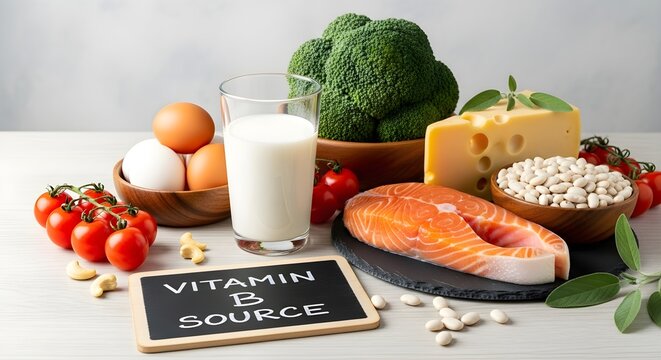
Vitamin B, commonly calleda B-complex vitamin, is a class of essential nutrients that are consumed to maintain overall well-being and health. Most of us don’t know that there are eight kinds of vitamins B, each with distinct functions and many benefits to our bodies.
Vitamin B is often present in a broad range of nutritious foods. Many people also take vitamin B supplements to meet their daily needs. But do you understand why it’s so crucial? Read on to discover the significance of each B vitamin’s role, the different kinds, benefits and methods to include them in your diet.
Understanding Types Of B Vitamins
Vitamin B1 (Thiamin)
Vitamin B1, also known as thiamine, assists in converting carbohydrates into energy. It aids in the functioning of the heart, muscles, es as well as the nervous system. The people who suffer from vitamin B1 deficiency exhibit symptoms that include loss of weight, heart problems, and a lack of appetite or appetite, as well as weak reflexes and memory issues. Thiamine can be consumed in foods such as whole grains, fish,h pork, nuts, and legumes.
Vitamin B2 (Riboflavin)
Vitamin B2 or Riboflavin is vital for energy production, as well as the breakdown of steroid hormones, fats and other drugs. Additionally, it helps to maintain the health of ethe yes and the skin. Vitamin B2-deficient people can experience skin issues such as swollen lips, swelling of the throat or mouth, hair issues, and itchy eyes. To reap the advantages from vitamin B2, eat food items like almonds, oatmeal, dairy products, leafy green vegetables and mushrooms.
Vitamin B3 (Niacin)
Vitamin B3 Also known as niacin, assists in converting the energy from food to. This vitamin type supports the nervous system and can help maintain healthy skin. It is possible to experience symptoms such as depression, fatigue, headache, nausea, swollen skin, diarrhoea, constipation, and diarrhoea if you are deficient in niacin. Eat foods like meat and entire grains, seafood and nuts to supply the nutrients in the form of Vitamin B3 for your body.
Vitamin B5 (Pantothenic Acid)
Pantothenic acid can be described as a mineral that red blood cells transport throughout the body, assisting with the energy and metabolic processes. Vitamin B5 is vital to synthesise coenzyme A, which is an energy-related metabolic enzyme. If you’re deficient in Vitamin B5, then you might suffer from headaches, loss of appetite,e as well as sleeplessness and numbness of your feet and hands. Add tuna, chickpeas, and avocados, sunflower seeds,andl as mushrooms to your daily diet to obtain vitamin B5.
Vitamin B6 (Pyridoxine)
Vitamin B6 is vital for the creation of red blood cells and amino acid metabolic processes, the production of neurotransmitters and the immune functions in our body. Signs of a vitamin B6 deficiency include depression, anaemia, and swelling of the tongue. weak immunity and the appearance of scaling across the lip. Vitamin B6-rich foods include tuna, salmon, chickpeas, potatoes, and poultry.
Vitamin B7 (Biotin)
Vitamin B,s also known as biotin, plays an essential function to regulate the metabolism process for proteins, fats and carbohydrates. It’s beneficial for skin, hair, and nail health. Additionally,y it helps in the metabolism process. If you’re deficient in Vitamin B7 within your body, then you might suffer from fatigue, hair loss, severe depression, brittle nails and scaly rashes that can be found around your mouth, eyes ahe nose. To ensure that you are not deficient in biotin, choose foods like eggs or salmon, almonds,s liver, spinach, and sweet potatoes.
Vitamin B9 (Folate/Folic Acid)
Vitamin B9 orfolatee is essential in DNA synthesis anrepairrs, cell division, and growth. Vitamin B9 is a type of vitamin that prevents neural tube defects in pregnancy and helps maintain cell function. Signs of a headache or weakness, skin or hair issues, and tongue soreness are signs of B9 vitamin deficiency. Folic acid deficiencies can result in neural tube problems in infants. The folate-rich foods include deep green leaves, egg yolks, orange juice, papaya, peas and nuts.
Vitamin B12 (Cobalamin)
The final form of vitamin B is called cobalamin, often referred to as vitamin B12. It is crucial for the production of DNA as well as the development of red blood cells and neurological functioning. Additionally, it helps prevent megaloblastic anaemia, improves the health of nerves and helps in the production of energy. Folate deficiency symptoms include depression, fatigue and weight loss, constipation and numbness of the feet and hands. Foods high in vitamin B12 include dairy products like eggs and yoghurt, milk or fish, as well as clams and clams.
According to research, women who had more Vitamin B12 had better pregnancy outcomes, which included a lower risk of preeclampsia and gestational diabetes. In a statement highlighting the significance of Vitamin B12 for women doctor. Sonal Singhal, Senior Consultant, Obstetrician and Gynaecologist, Motherhood Hospital, Gurgaon, said, “Women, particularly those who are pregnant or of childbearing age, are frequently diagnosed as lacking Vitamin B12. Women who are pregnant require greater amounts of Vitamin B12 to support the rapid growth of cells and the increasing demand for blood cells. Vitamin B12 is deficient during pregnancy and is linked to an increased risk of having a preterm birth and a low baby weight.”
She added that “Women, especially vegetarians and vegans, have a higher risk of Vitamin B12 deficiencies, which is greater because the vitamin is mostly present in products from animals. Ensure adequate intake via supplementation or foods that are fortified is vital.”
Related Posts