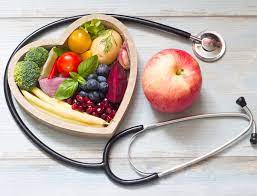
The health of your heart is essential for maintaining to live a joyful, healthy, and long life. It is the heart’s responsibility to transport blood and nutrients, and oxygen to each cell in the body.
The maintenance and improvement of your heart health is a matter of creating healthy habits for your heart. These practices range from enhancing cardiovascular fitness by exercising, and avoiding heart-damaging habits such as smoking cigarettes, to following healthy, heart-friendly food.
Here is a review of the diet choices that you can use to improve your diet to make it healthy for your heart.
What Foods Should You Include in a Heart-Healthy Diet?
One of the main causes for a deterioration in the health of your heart is due to bad eating habits that begin with poor choices in food. If poor choices in food compound and cause many problems, they could negatively affect the heart.
Here’s a review of some specific diet options you can take to live a healthier life.
1. Omega-3-Rich Fish
A lot of people believe that high cholesterol is a sign that you should stay clear of fats at all costs. While it is essential to reduce fat intake, many kinds of fats could aid in improving the health of your heart, including omega-3 fats.
Omega-3 fats play a significant role in the human body. Omega-3 fats help to reduce triglycerides, reduce the development of plaque, and help maintain good blood pressure. Apart from their heart-health benefits, Omega-3s have also been proven to support brain health.
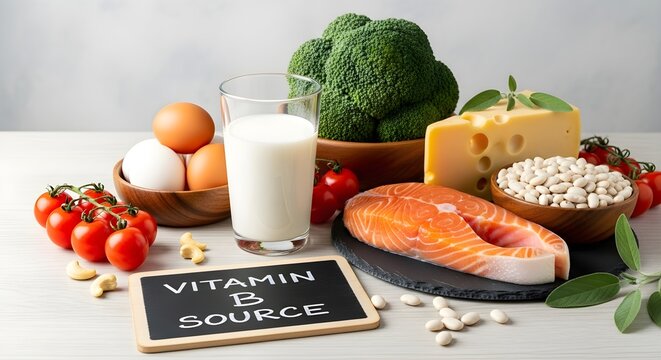
Omega-3 is a supplement to your diet, but it’s also accessible in your diet. Mackerel, fatty fish, salmon, cod, anchovies, herring, and sardines are all great sources of omega-3 in nature.
2. Walnuts
Nuts are a fantastic food source for healthy fats, antioxidants, and proteins. Apart from their nutritional value, they may also help improve cardiovascular health. Walnuts, specifically, have been proven to lower the risk of developing cardiovascular diseases.
Walnuts are rich in omega-3 fats that are well-known to reduce LDL levels as well as boost healthy cholesterol levels in the blood.
3. Fat-Free, Low-Fat, or Greek Yogurt
Dairy is an excellent source of protein and calcium; however, it may be unsuitable for people suffering from excessively high cholesterol levels. One option to improve your heart health is to modify your dairy consumption to include more low-fat and reduced-fat options.
Dairy products such as skim milk, Greek yogurt, and cottage cheese are excellent alternatives to heart-healthy than full-fat alternatives. There are also dairy alternatives that have lower amounts of fat, which makes them perfect for lowering cholesterol levels.
4. Vegetables
A balanced diet is vital for heart health, and to ensure that you are healthy, it is crucial not to cut back on vegetables.
Vegetables are a great source of nutrients, vitamins, and minerals. They are very low in calories, trans fats, and other trans. Serve them as an add-on to a meal and enjoy them with salad, ds, or grill a few fresh vegetables to make a tasty dinner.
Although eating vegetables is definitely beneficial for your health, it is essential to be cautious if you’re taking blood thinners like warfarin.
Be cautious to increase your intake of vegetables that are naturally rich in vitamin K, like broccoli, kale, and Brussels sprouts. This is because excessive amounts of vitamin K could decrease the effectiveness of warfarin.
5. Beans
Legumes and beans make great protein sources, and they are also rich in other healthy nutrients, including fiber, minerals, and vitamins.
Protein sources such as animal-derived proteins are likely to have saturated fats that, when consumed in excess, can cause high cholesterol and, in time, can be harmful to heart health, but not legumes and beans.
Beans and lentils can be added to almost any meal and can provide a nutritious source of protein that won’t increase cholesterol levels. The addition of protein and fiber to your meals can assist in keeping you satisfied and fuller to prevent eating too much and gaining weight. If you’re thinking of adding legumes or beans to your diet, make sure to choose low-sodium alternatives.
6. Seeds
Seeds are a great addition to a healthy diet for heart health since they’re packed with nutrients and components that help support the health of your heart. They are a great source of fiber, polyunsaturated as well as monounsaturated fats, plant-based proteins, Vitamins, minerals, and vitamins.
These nutrients are able to support lower LDL cholesterol levels as well as support healthy cardiovascular health. Seeds are also a good source of antioxidants, such as vitamins E and selenium. These aid in protecting your heart from damage and can help lower the risk of developing heart disease.
Some of the best heart-healthy seeds are hemp seeds, chia seeds, and flaxseed. Integrating more seeds into your diet, either as an ingredient in a smoothie, snack, or a meal topping, can make your meals more specific to heart health.
7. Sweet Potatoes
If you asked any nutritionist, they would most likely advise against French fries and baked potatoes if you’re trying to adhere to a healthy heart diet. However, not all potatoes have to be restricted, as is the case for sweet potatoes.
Sweet potatoes are an excellent source of fiber, as well as vitamin A as well as potassium, vitamin C, iron, and antioxidants. The high amount of fiber helps to promote satisfaction, which keeps you feeling fuller. It also helps lower the glycemic index of your food, which is crucial to maintaining the health of your blood sugar levels.
8. Oats
Breakfast is often an area of weakness in an ideal heart-healthy diet, as bacos, eggs, pancakes, and cereal are typically the most popular meals for people. Although they are delicious, they are loaded with cholesterol, saturated fats, and sugar, all of which aren’t suitable for heart health.
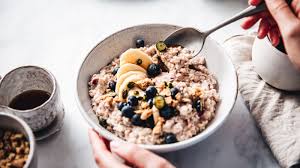
The most tried and tested breakfast that is good for your heart health is oats. More specifically, oats that are minimally processed without sugar or other additives. Oats are a great heart-healthy breakfast food because they are packed with an abundance of fiber and are regarded as whole grains.
A specific kind of fiber in oats is known as beta-glucan, may help reduce the risk of cardiovascular disease.
How Else Can I Maintain a Heart-Healthy Diet?
Offering specific foods that you can consume to improve the health of your heart is a great beginning, but ultimately, eating a heart-healthy diet is more about how you think about the food you consume.
Here’s a closer look at the general guidelines that you can adhere to to ensure that your nutrition and diet are supportive of you in maintaining your health.
Get Plenty of Fruits and Veggies
Plant-based diets have gained popularity in recent times and for good reasons. Plant-based diets are not just healthy, but they also benefit the environment as well as your heart health.
People who eat a balanced plant-based diet are likely to be able to enjoy lower incidences of heart diseases and high blood pressure, and higher cholesterol levels that are higher than those who eat an orthodox diet that includes animals.
Furthermore, plant-based diets are usually filled with healthy unsaturated fats like the ones that are found in nuts, seeds, and avocados, which can help improve the health of your heart.
Limit Consumption of Fat
Trans and saturated fats are the enemies of an energizing diet. Generally, cutting down on these fats will aid in improving overall health for your body. Fats comprise one of three macronutrients you should be eating, and, as a general guideline, an ideal heart-healthy diet will strive for a macro spread of moderate carbs, high protein, and a lower intake of fats.
Reduce Sodium Intake
The most essential aspect of implementing an energizing diet is to limit salt intake.
The sodium content of foods can cause hypertension, and selecting low-sodium foods could be healthier to protect your heart. There is no need to cut out salt completely, but avoiding foods that are high in salt or selecting low-sodium alternatives can have a significant impact.
Get Professional Guidance
Making changes to your lifestyle and habits to make you more heart-healthy could be an overwhelming job.
There are many ways to boost your heart health in addition to healthy diets, but attempting to do the entire process by yourself can seem overwhelming. That is the reason why Carda Health comes in.
Carda Health is an online at-home cardiac rehabilitation service that provides you with the equipment and support you in enhancing you in maintaining your health. The process for enrolling is straightforward.d Once you’ve enrolled, you’ll be connected with your personal exercise physiologist who will assist you in improving your cardiovascular health by monitoring exercises, heart-healthy nutrit, and health-related education for mental health.
All this is available online, which means you can receive the assistance you require at any time, without the hassle of traveling to an in-person rehabilitation facility.
The Bottom Line
Your diet plays a significant part in maintaining your heart he, and making the right dietary choices is essential when you want to protect your cardiovascular system and heart. For a heart-healthy lifestyle, you should strive to lower bad cholesterol (LDL) and increase the good cholesterol (HDL), and cut down on salt.
This can be accomplished by incorporating foods that are rich in omega-3 fats, like fatty fish, walnuts, dairy products that are low in fat, as well as beans, vegetables, legumes, seeds, as well as fruits.
Diet is just one aspect of the factor. To ensure that your heart is supported, you should consider joining Carda Health, where you will receive a customized home-based heart rehabilitation program to lower the risk of cardiovascular disease and strengthen your heart.
Related Posts