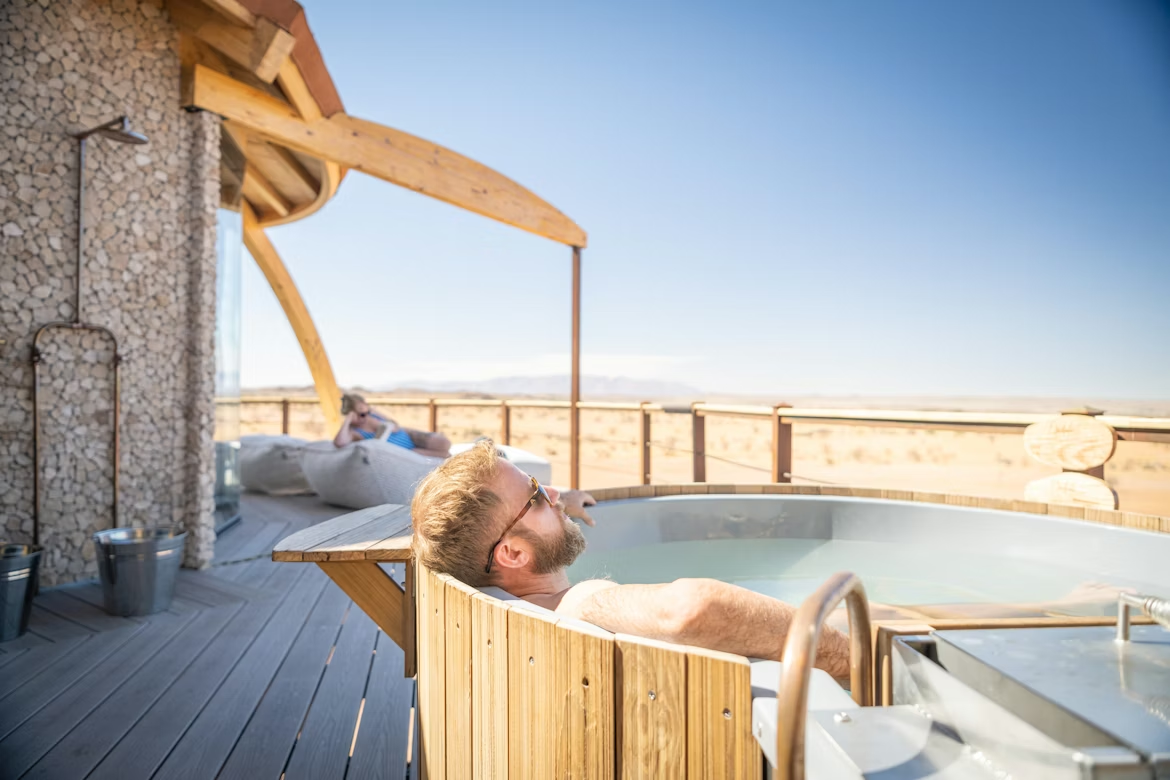
Hot tubs offer a luxurious way to relax and enjoy time at home, but many homeowners worry about the energy costs associated with owning one. Fortunately, modern hot tubs are designed with energy efficiency in mind, allowing users to enjoy the benefits of hydrotherapy without high utility bills. Investing in an energy-efficient hot tub not only saves money but also supports environmentally responsible living.
1. Advanced Insulation for Reduced Energy Consumption
One of the key features of energy-efficient hot tubs is advanced insulation. High-quality models use materials such as full-foam insulation and insulated covers to prevent heat loss.
By retaining heat more effectively, these hot tubs require less energy to maintain the desired water temperature. This results in lower electricity consumption and reduced monthly utility costs, making hot tubs more affordable to operate throughout the year.
2. Energy-Saving Pumps and Heating Systems
Energy-efficient hot tubs are equipped with modern pumps and heating systems that consume less power while maintaining performance. Variable-speed pumps, for example, adjust water flow based on usage, reducing energy waste during periods of low activity.
Similarly, energy-efficient heaters reach the desired temperature quickly and maintain it without constantly running at full power. These technological improvements make it possible to enjoy hot tubs regularly without worrying about excessive energy bills.
3. Smart Controls and Programmable Settings
Many energy-efficient hot tubs come with smart control systems that allow users to program schedules and temperature settings. These controls ensure that the tub operates only when needed, avoiding unnecessary energy use.
For instance, a homeowner can set the hot tub to heat up before use and enter standby mode when idle. This level of automation maximizes energy efficiency while providing convenience, allowing users to enjoy a warm, inviting hot tub exactly when they want it.
4. Sustainable Materials and Construction
Energy efficiency in hot tubs extends beyond technology to include sustainable materials and construction. Modern hot tubs often use environmentally friendly components that retain heat and minimize energy loss.
Additionally, durable construction reduces the need for frequent repairs or replacements, further decreasing long-term energy and resource consumption. Choosing hot tubs made with sustainable materials supports both cost savings and eco-conscious living.
5. Long-Term Financial and Environmental Benefits
Investing in an energy-efficient hot tub provides both financial and environmental advantages. Reduced electricity consumption translates directly into lower utility bills, while high-quality components and insulation extend the lifespan of the tub.
Environmentally, using less energy reduces your carbon footprint, making it a responsible choice for homeowners who want to enjoy luxury without harming the planet. Over time, the savings and benefits make energy-efficient hot tubs a smart and sustainable investment.
Conclusion
In conclusion, energy-efficient hot tubs combine luxury and practicality, allowing homeowners to relax and enjoy hydrotherapy without worrying about high energy costs. With advanced insulation, energy-saving pumps, smart controls, sustainable materials, and long-term financial benefits, these hot tubs offer an ideal solution for those seeking comfort, convenience, and cost savings.
Investing in an energy-efficient hot tub ensures a relaxing, environmentally friendly, and financially wise addition to any home.
Related Posts